Sardinia,
a Continent on an Island
From whichever perspective you want to look at Sardinia, we can use two words to describe it: diversity and uniqueness. Sardinia is very distant from the continental masses, has an extremely rich and complex geological history, and the same can be said for the history of human migrations that have involved the island. These aspects make Sardinia, among all the islands of the Mediterranean Sea, a special place for its biodiversity and cultural heritage.
The Mediterranean Sea hosts about 7.5% of all known marine species in the world; the species richness per area is about 10 times higher than the world average and is therefore considered one of the world's most important biodiversity hotspots. Sardinia, surrounded by this sea (literally) of biodiversity, can be considered a biodiversity hotspot within a "mega hotspot" which is, in the end, the Mediterranean Sea.
Moreover, given its central and strategic position in the western Mediterranean, Sardinia has been the protagonist of a long history of human migrations, which have resulted in a rich genetic diversity, still preserved today in an extraordinary biocultural landscape where one can observe agropastoral activities closely linked to nature, rituals, farming, medicinal plants, food, cuisine, local culture, and traditions.
If you are curious to read more, we have summarized some of the most important aspects of this complexity into three topics.

From a geological point of view, Sardinia is a fragment of the European continent and not part of Italy and has a history of about 600 million years. From north to south, from east to west, Sardinia continuously changes composition, alternating and mixing granites, limestones, quartzites, volcanic rocks, sandstones, and alluvial deposits, along with all possible variations.
The island enjoys a warm maritime climate with an average temperature ranging from 7/8 °C in winter to about 25 °C in summer. The record low temperature recorded is -17 °C, while the maximum has recently reached 48 °C. Precipitation is scarce, and strong northwest winds (Mistral) are part of daily life.
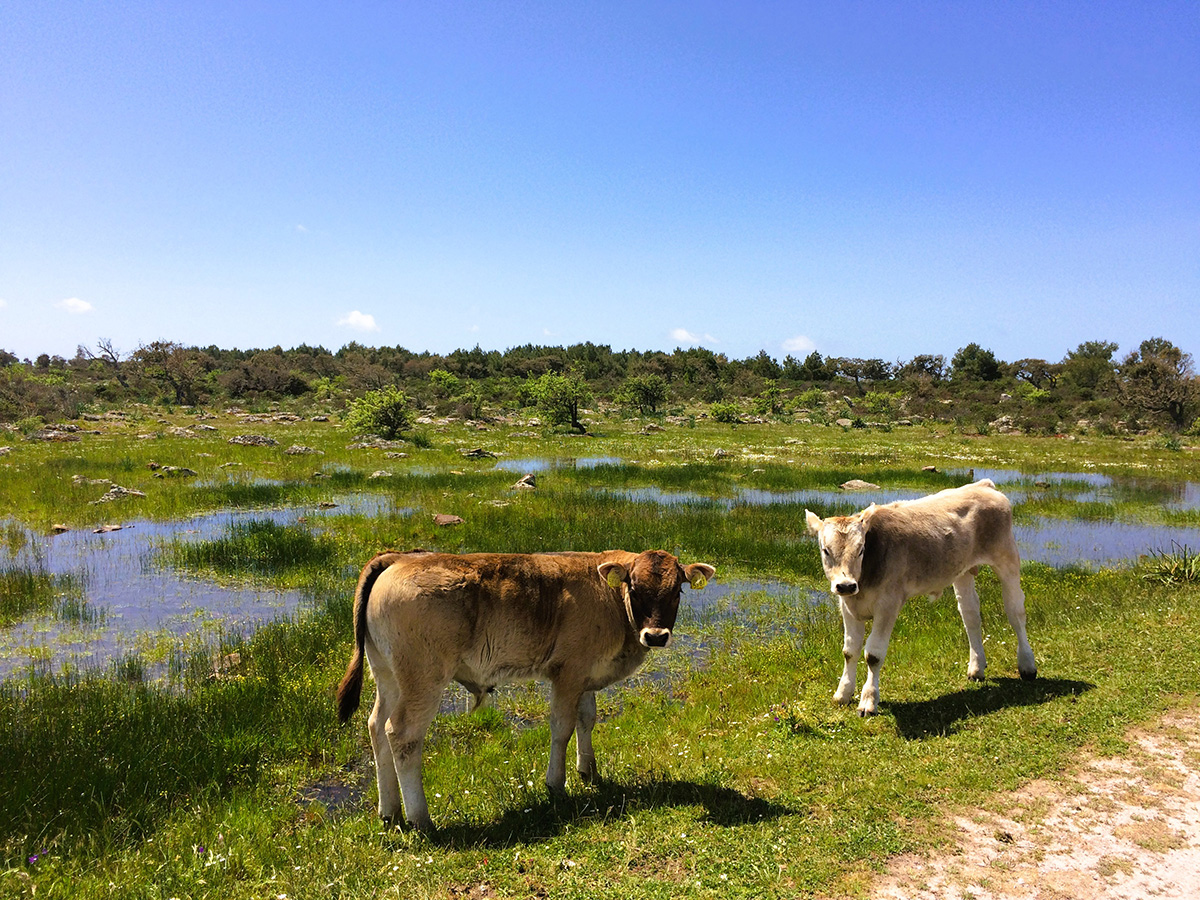
Plains occupy 18% of the territory, 68% is hilly, while the remaining 14% is mountainous. The Gennargentu massif (1834 m) in the central-eastern part of Sardinia is the highest relief of the island. Sardinia also hosts a high diversity of wetlands, including many natural or artificial agricultural ponds inland. The only natural lake is Lake Baratz, 20 km north of Alghero.
Sardinia is the Italian region with the most extensive coastline, about 1900 km, or almost 1/4 of the entire Italian coastline.
Reading these data, it is easy to imagine how the geomorphological diversity and the different local climatic conditions have led to a remarkable variety of habitats. These are the extraordinary bases on which a unique biological diversity has settled and evolved.

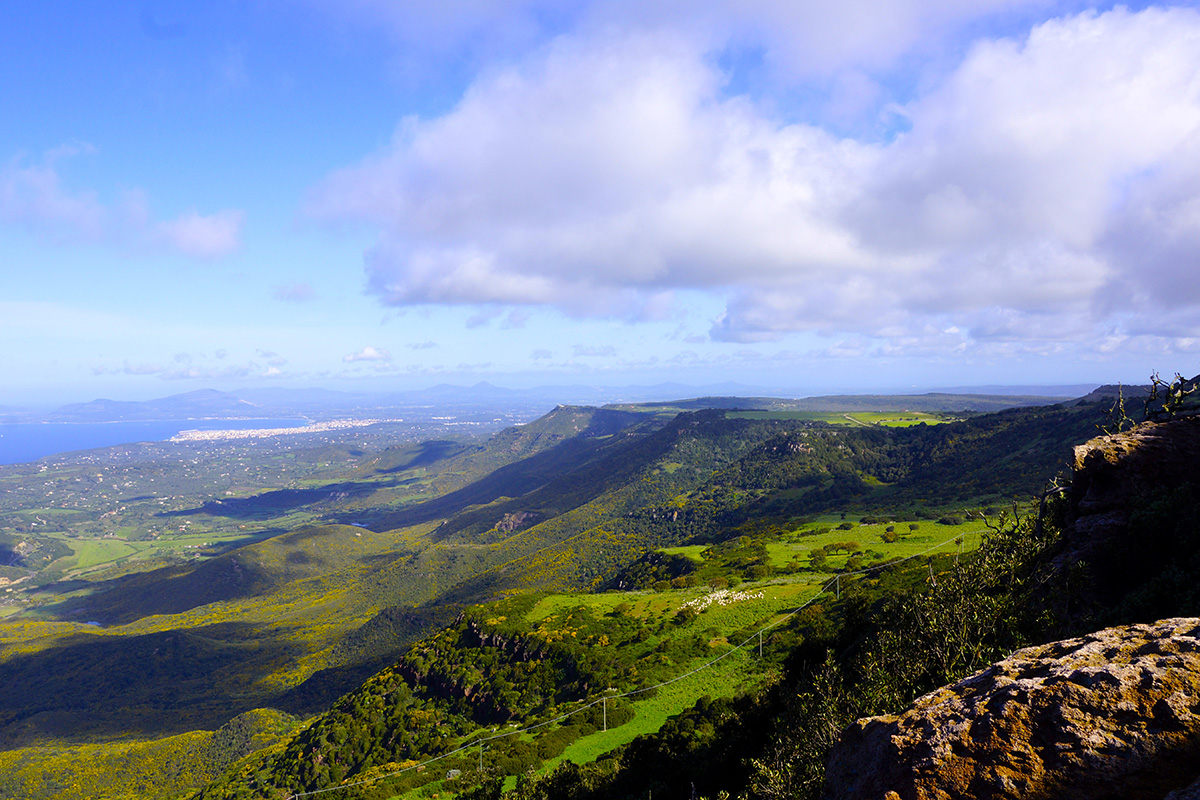
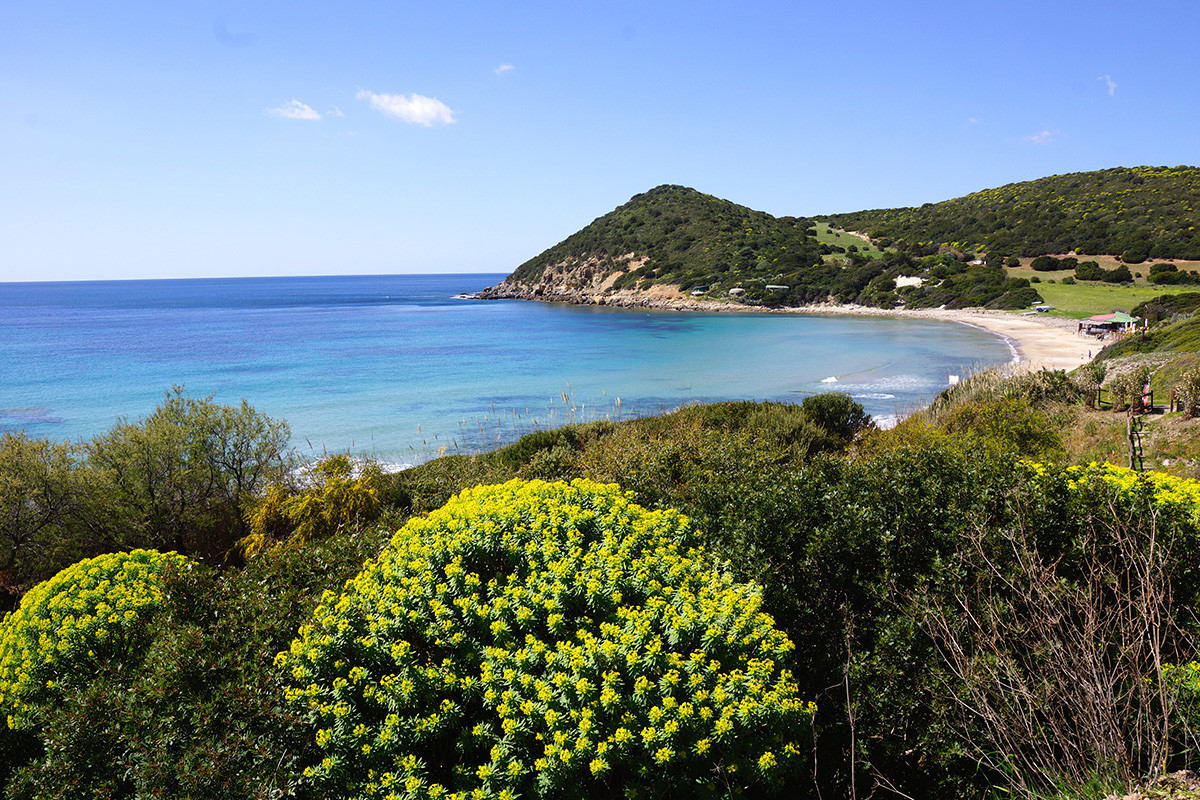
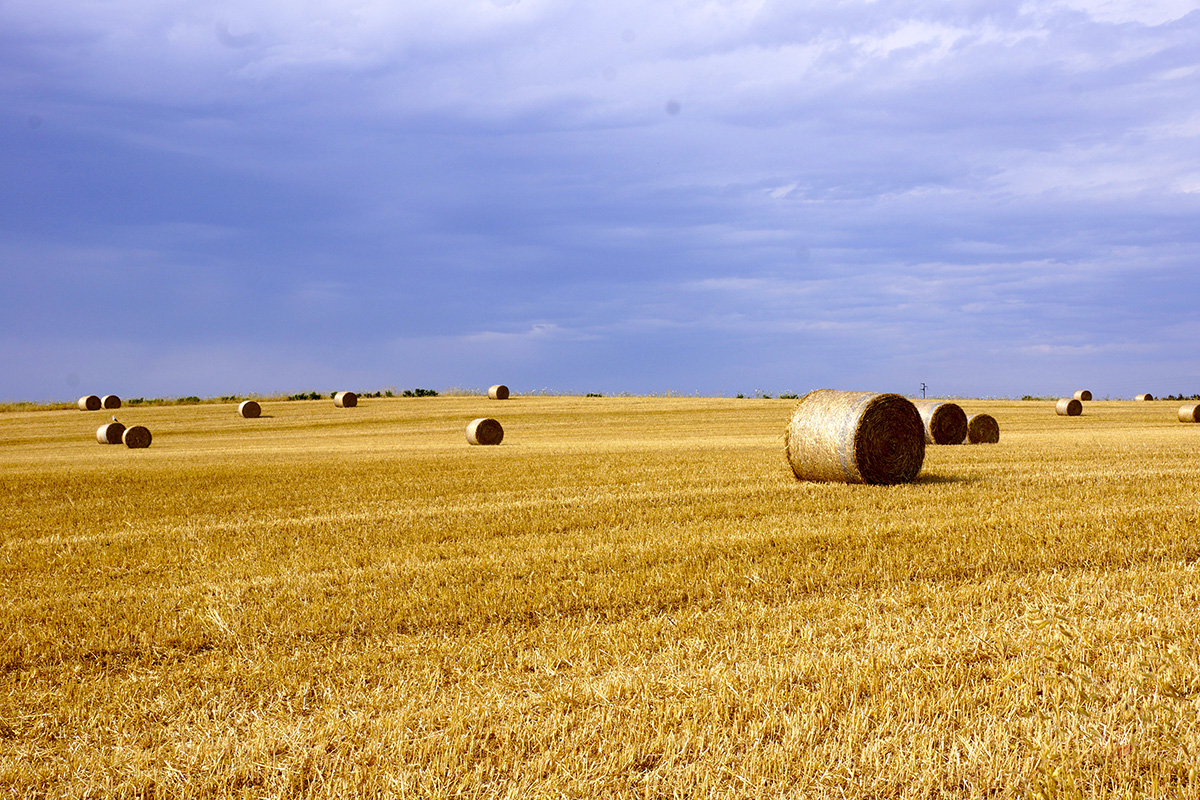
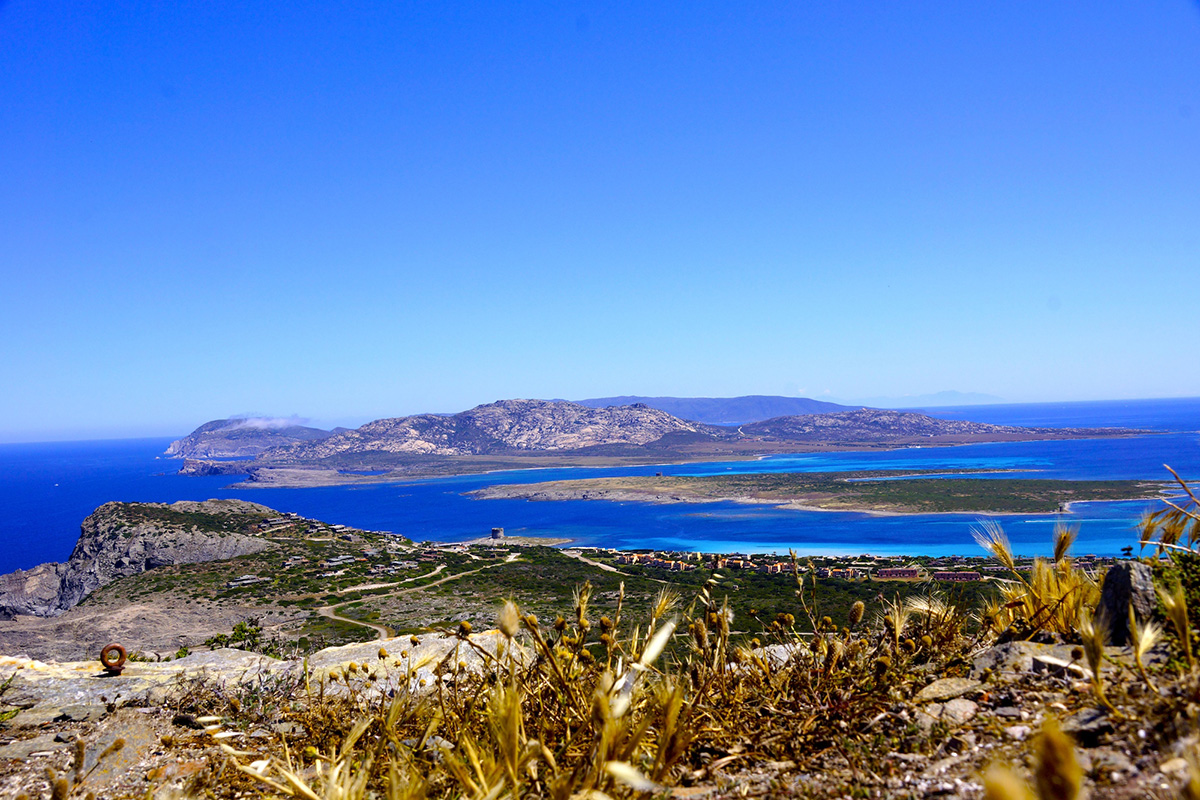

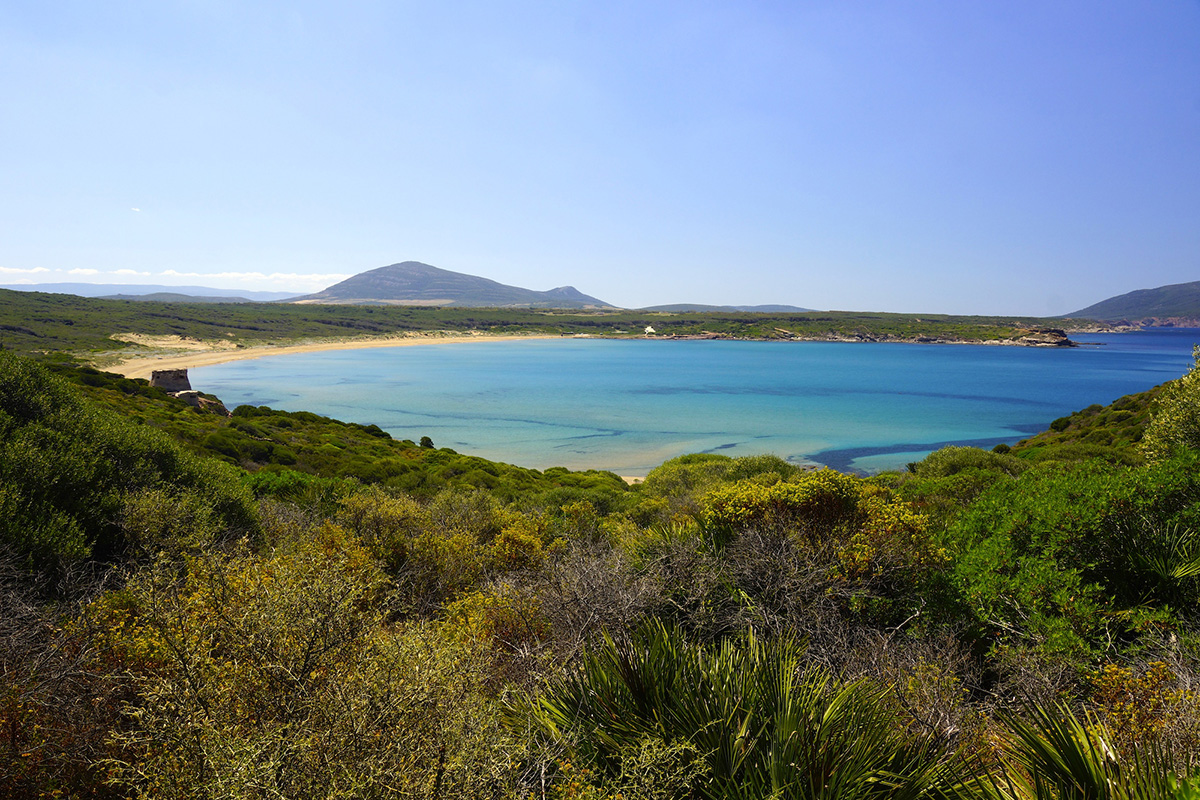
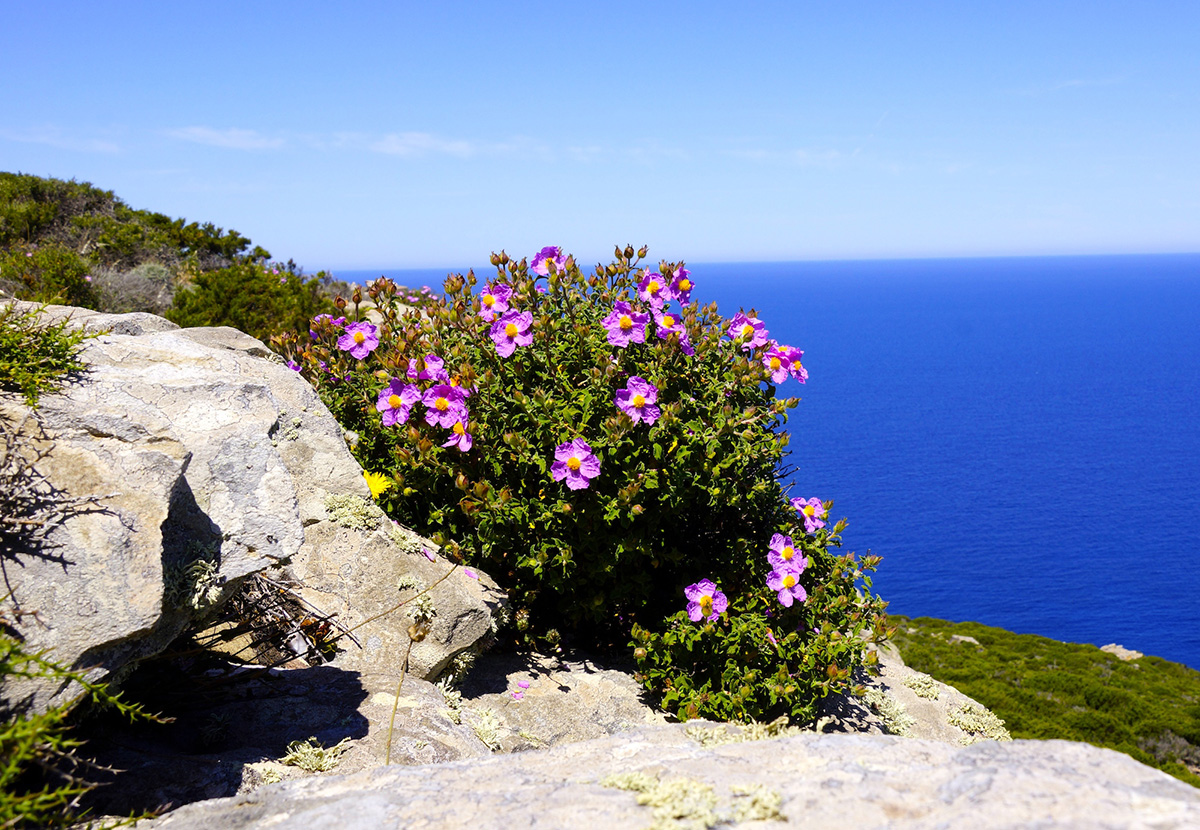
The fauna and flora of Sardinia are the result of complex events and interactions. The isolation due to the great distances from the mainland and the local environmental conditions provoke a series of constant evolutionary phenomena that over time have conferred uniqueness to Sardinia's fauna and flora.
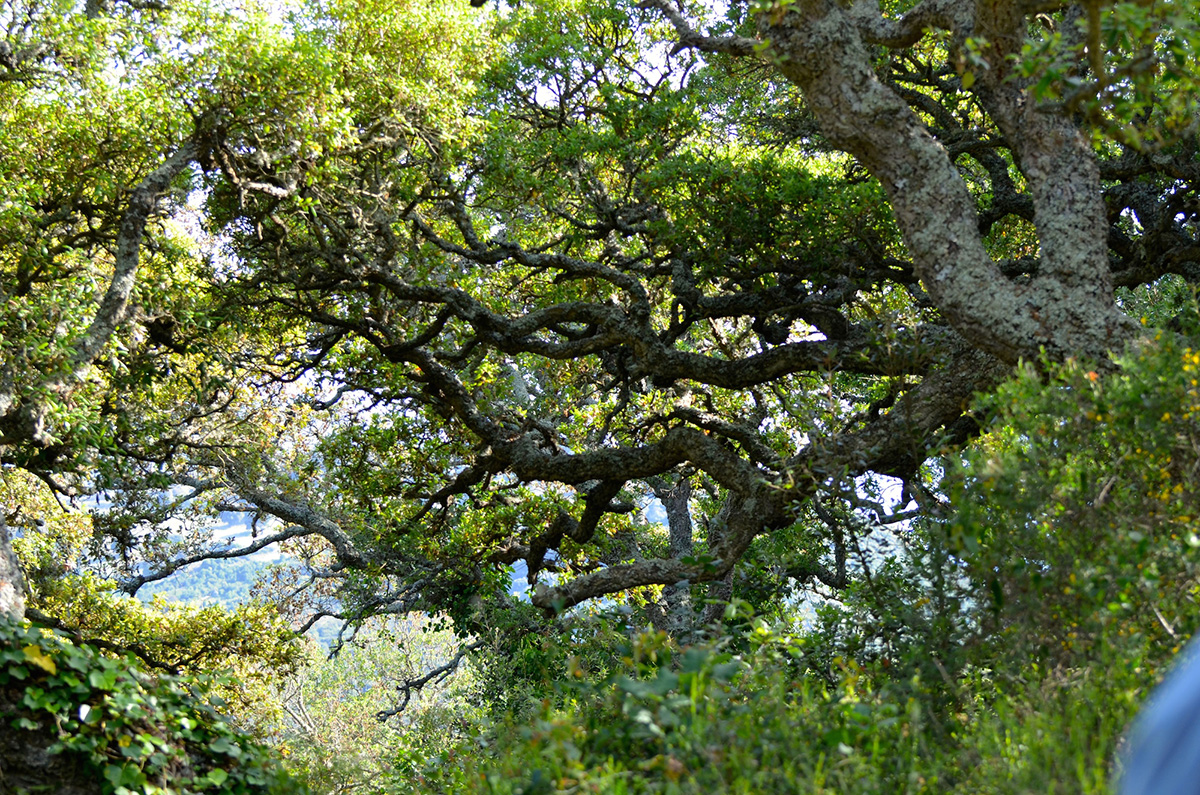
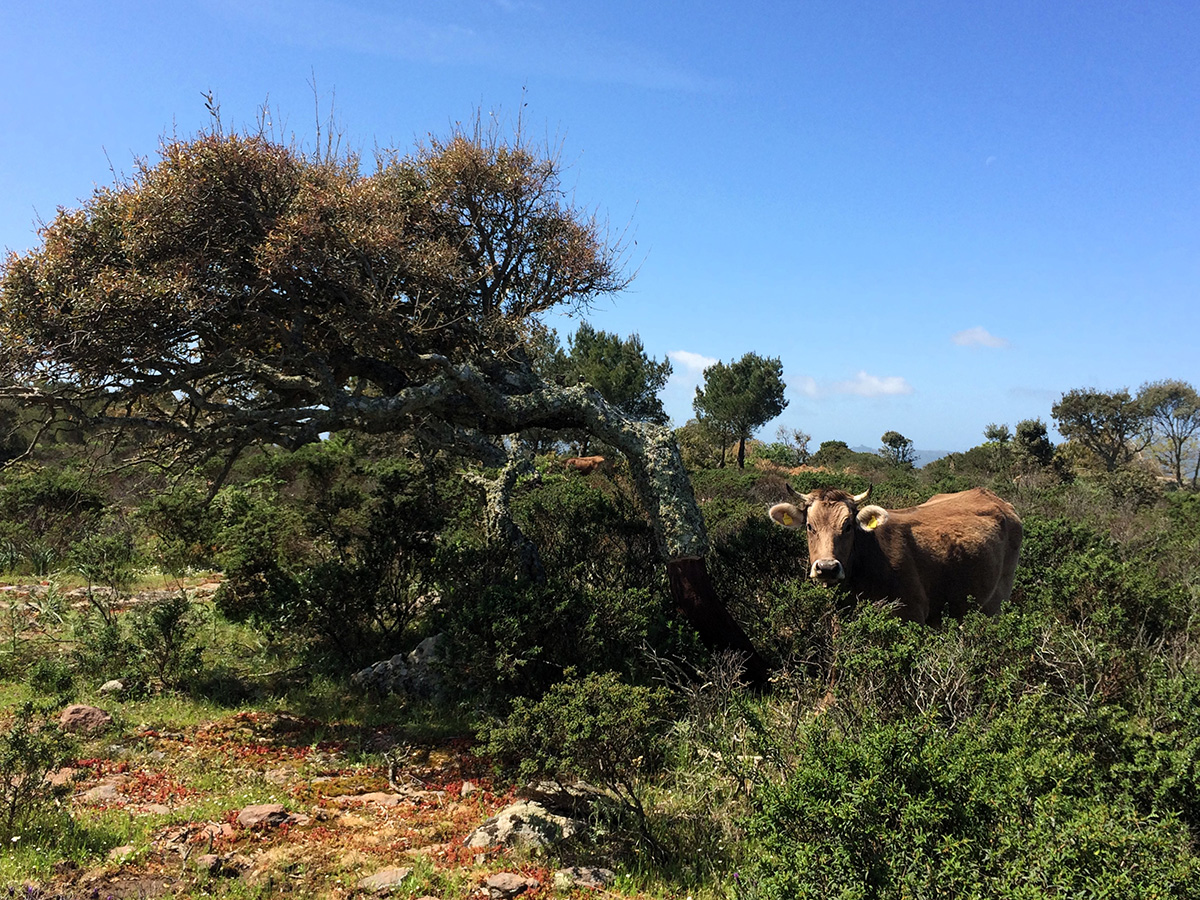
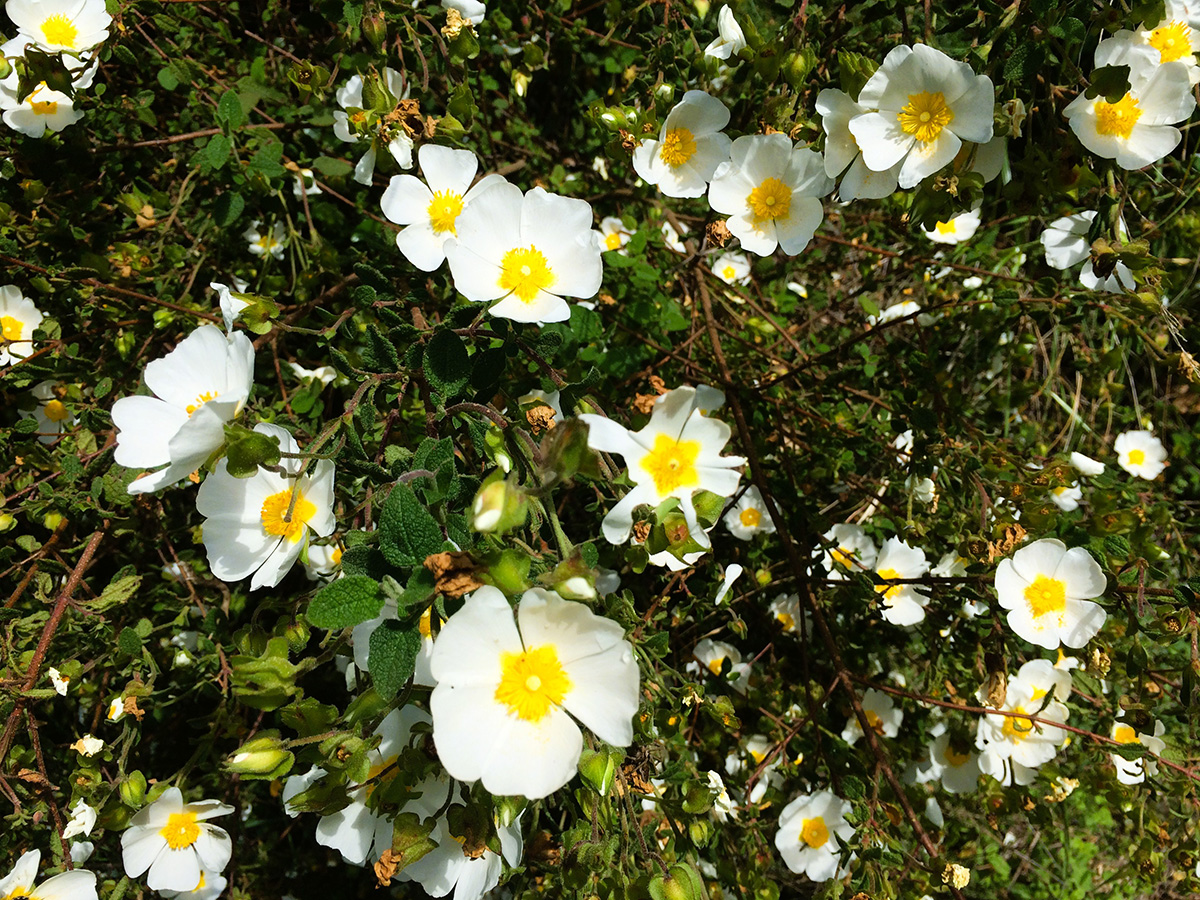
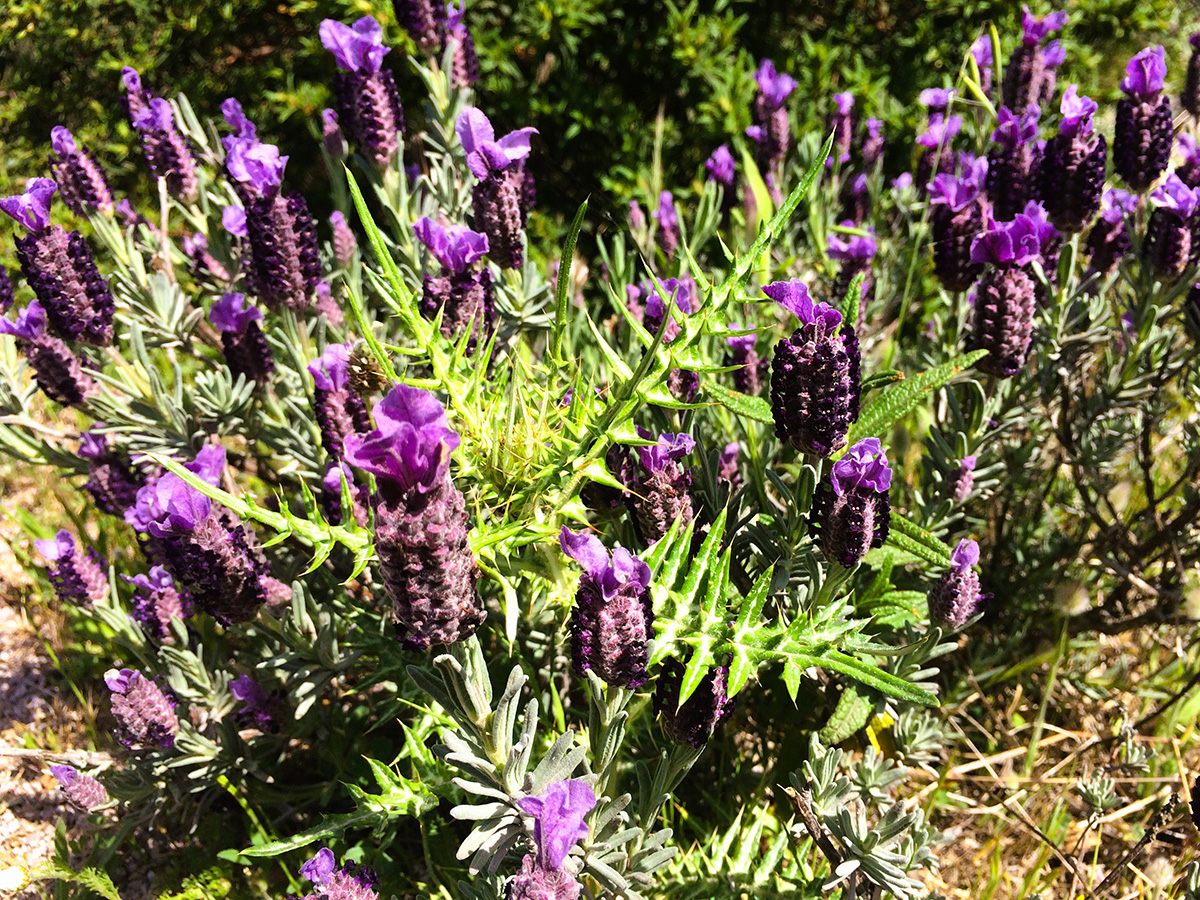
Its flora and vegetation are significantly different from mainland Italy, and what stands out is not so much the number of species, about 2300, but the proportion of endemic species, about 341 taxa, which is 15% of the island's flora. Among the latter, 195 species (8% of the flora) are exclusive to Sardinia and are not found anywhere else in the world. The most widespread type of vegetation belongs to shrubland and Mediterranean maquis, alternating with grasslands and pastures. The latter are mainly the result of pastoral activities and the exploitation of timber for building railways in Italy. This is why forests and woods have undergone a significant reduction in the last 200 years; if they once covered 2/3 of Sardinia's surface, today they cover about 20%. Nevertheless, Sardinia remains one of the greenest regions in Italy, with the largest Mediterranean evergreen forests characterized by Holm oak (the most widespread) and Downy oak. Another characteristic forest of Sardinia is the cork oak forest; the island hosts 90% of the entire national coverage. It has been preserved because it allows the growth of herbs suitable for grazing and the extraction of cork, a very important economic activity.
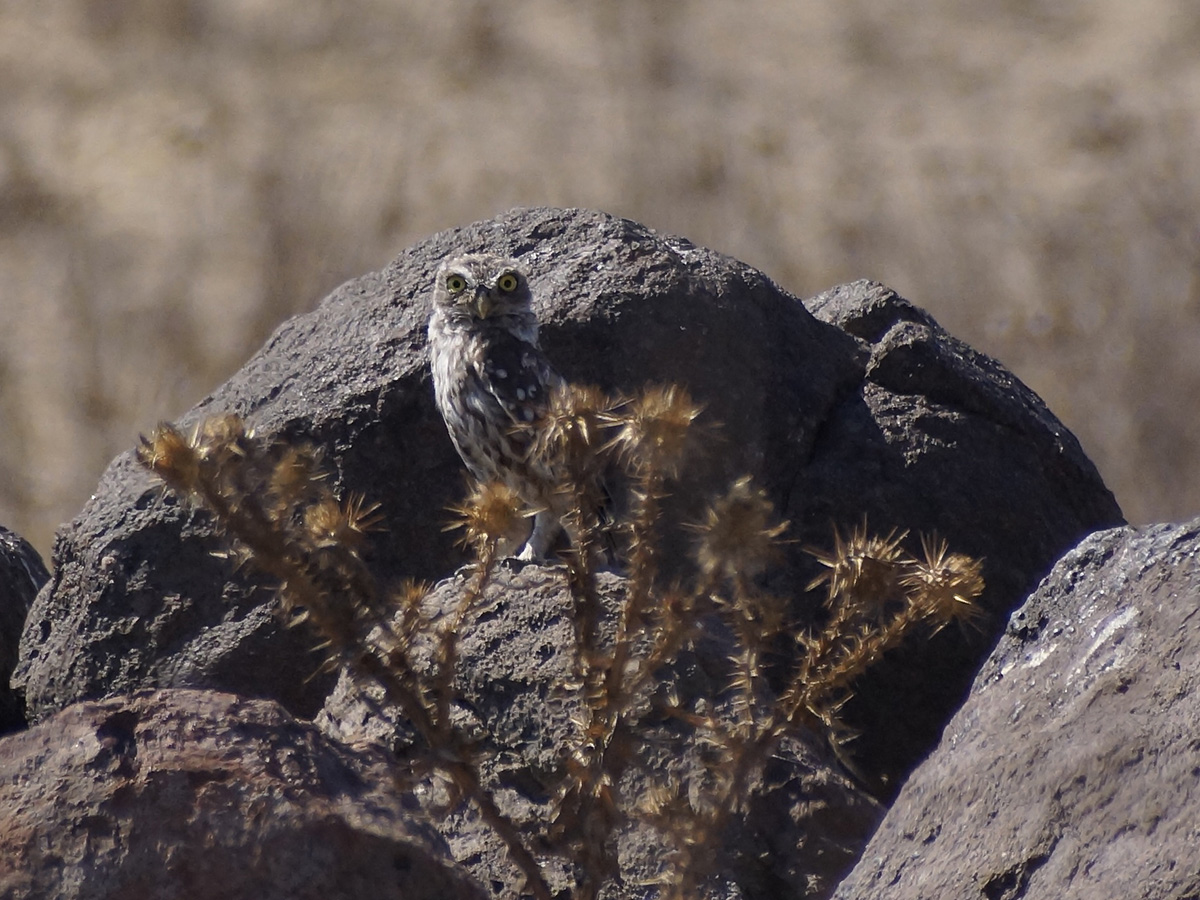
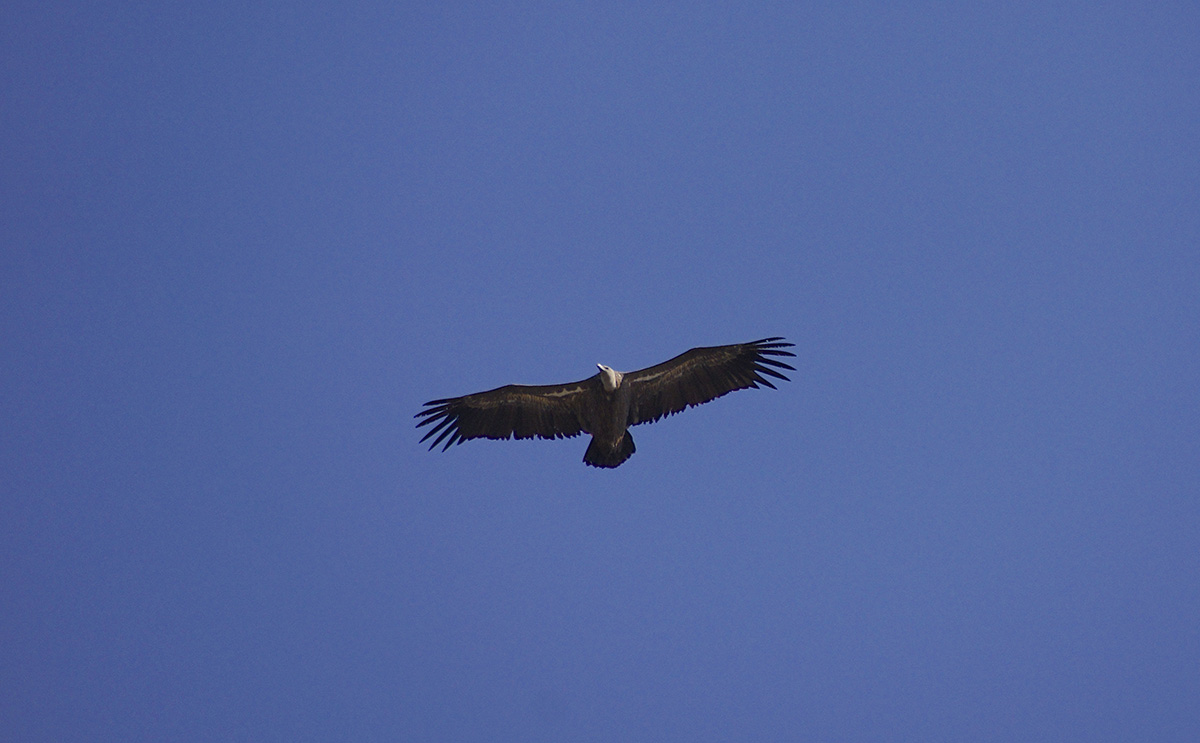
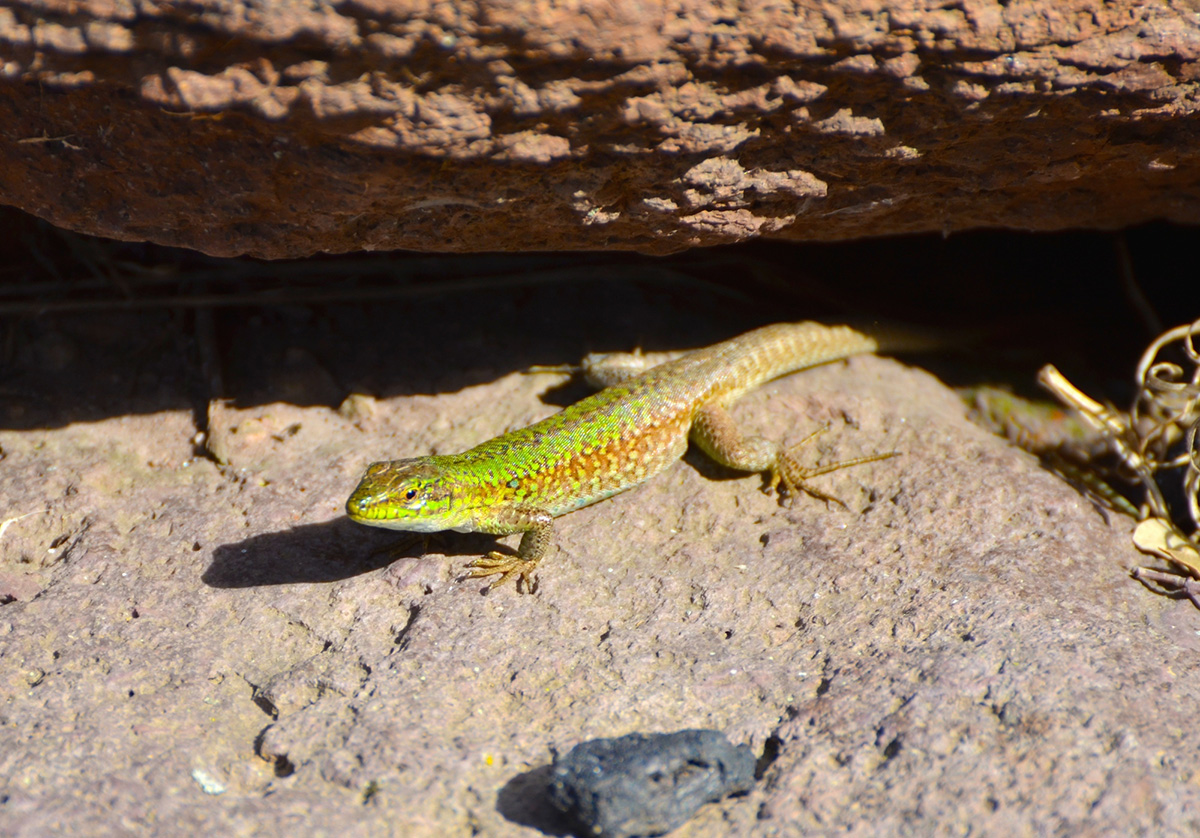
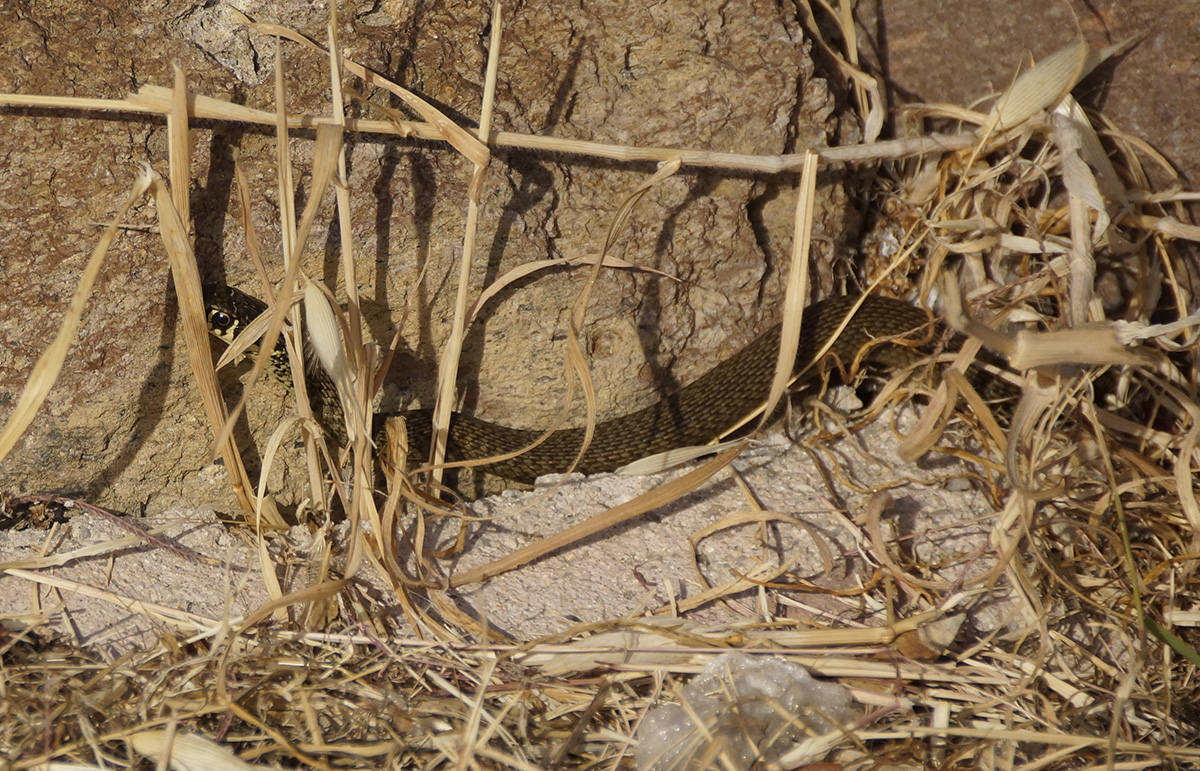
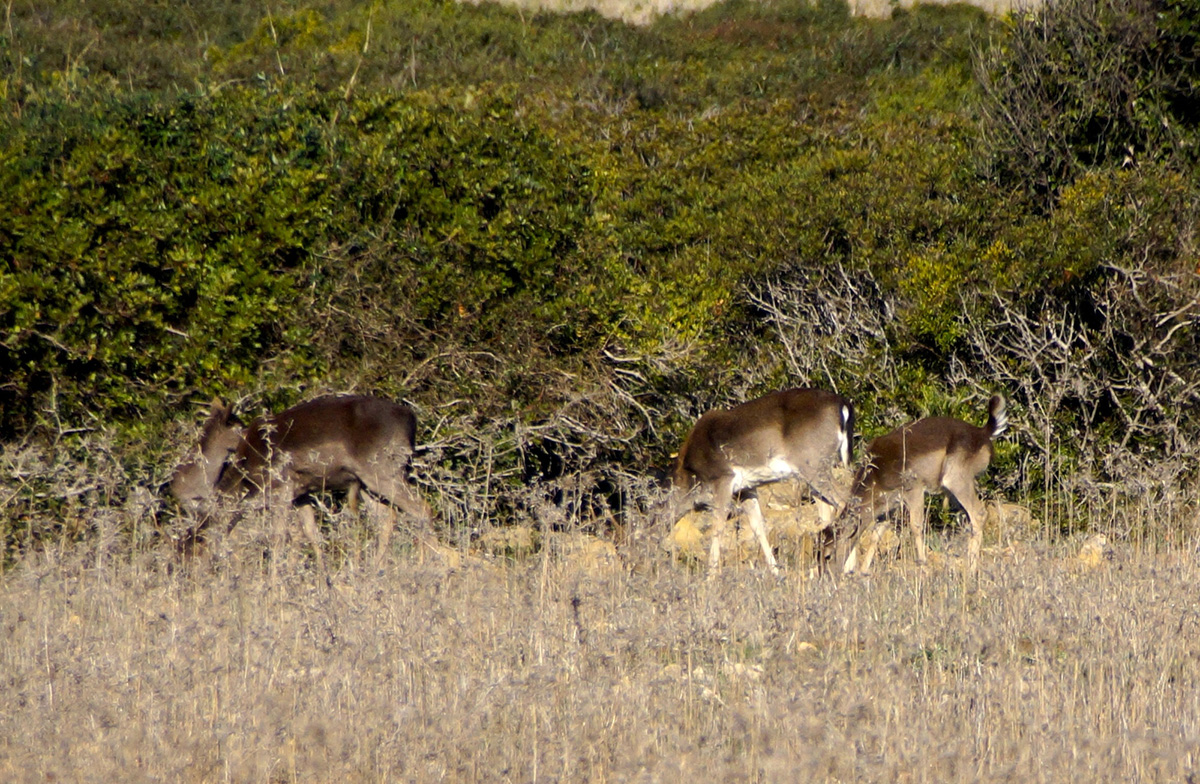
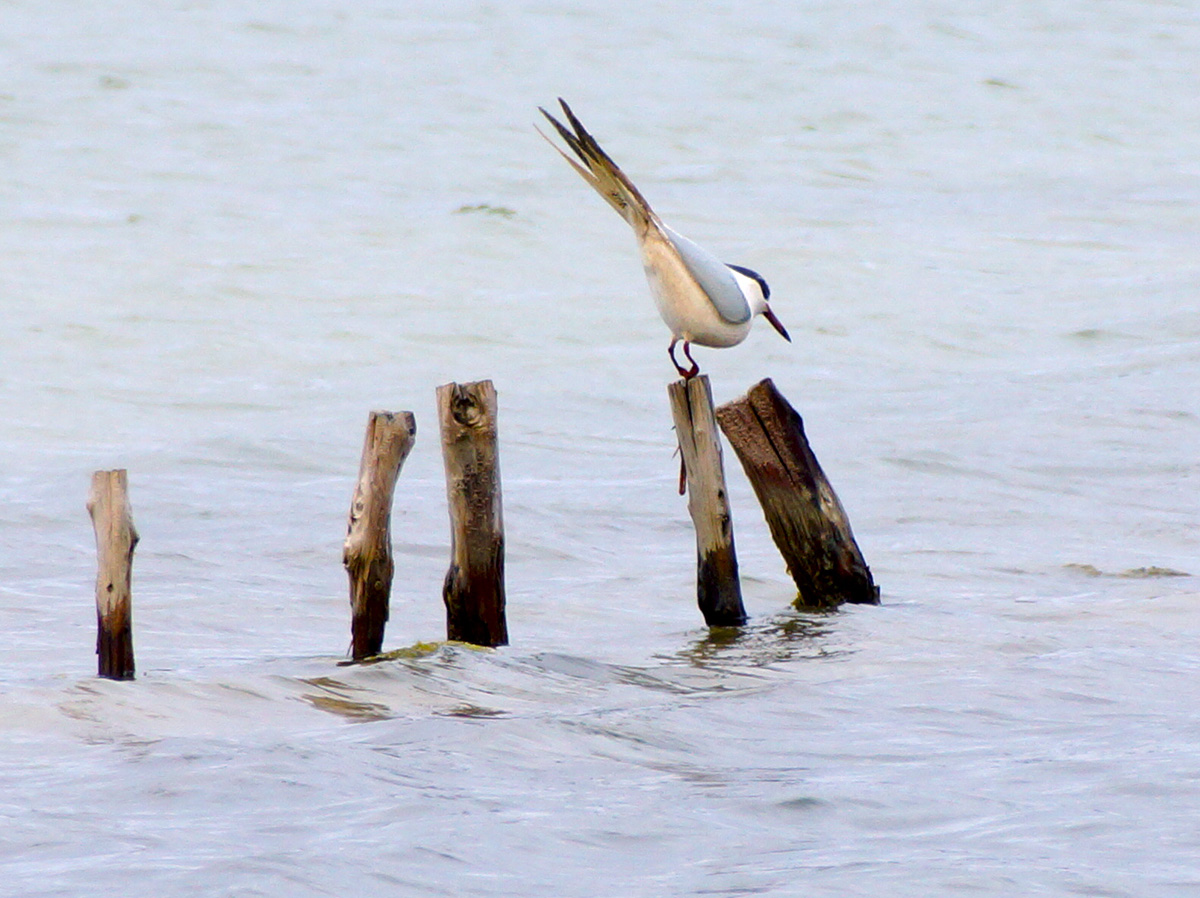
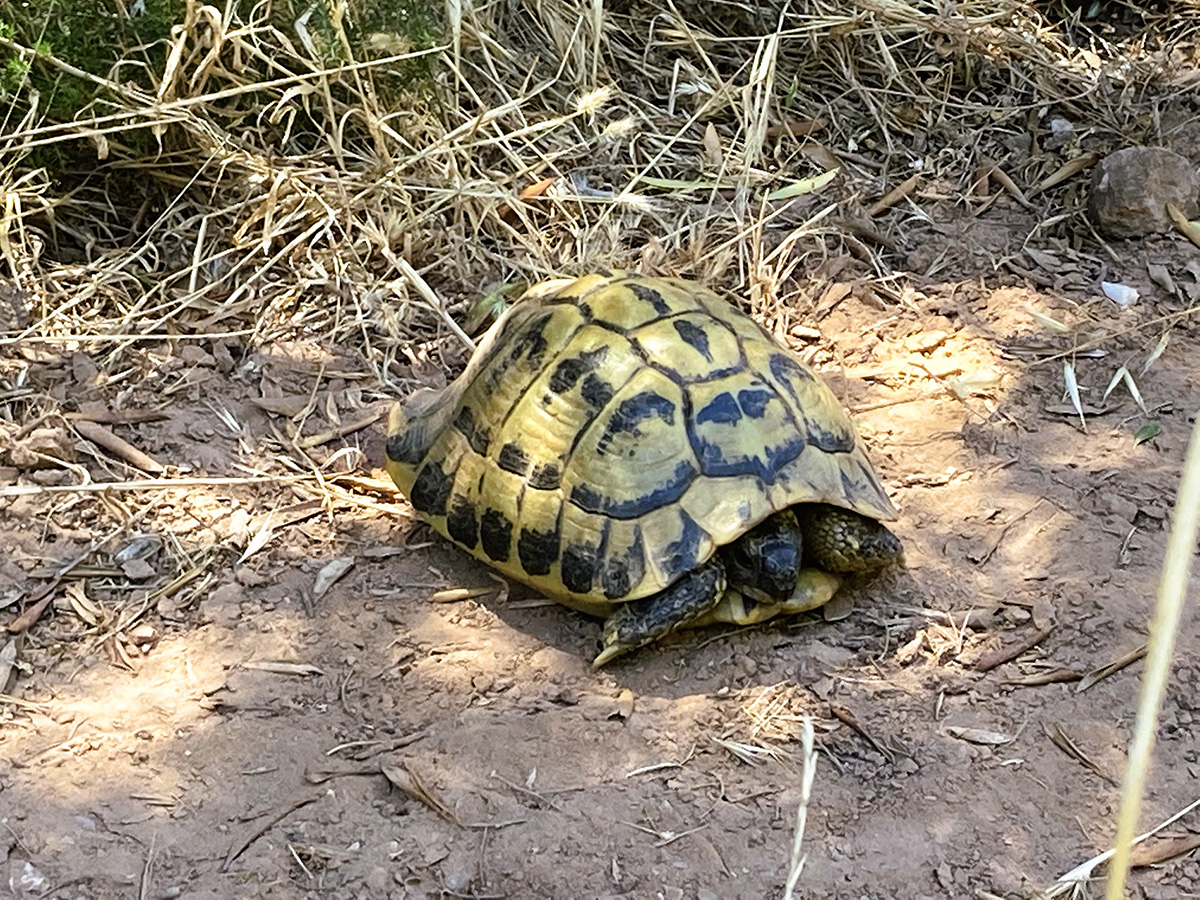
Similarly to plants, Sardinian fauna is also rich in endemisms. The number of vertebrate species living in Sardinia counts 370 species (41 mammals, 18 reptiles, 9 amphibians) to which about 300 bird species and insects with representatives from all orders can be added. The Sardinian fauna we can admire today derives from populations of animals that arrived on the island from various parts of Europe and Africa. These movements were made possible by the variation in sea levels due to extreme geological and climatic events that caused land bridges to emerge. Let's not forget also the actions of humans who introduced species such as fallow deer, red deer, mouflon, marten, or wildcat to the island.
Isolation has then determined continuous and constant changes and evolutionary phenomena in Sardinia's fauna and flora, causing variations in colour, size, and even behaviour. Isolation also accelerates genetic differentiation, making island species subspecies of continental ones or new and different species. The environmental complexity combined with the presence of ecological barriers that prevent movements, has led the same species to differ genetically into multiple species, each belonging to its own biological isolate.

Overall, Sardinia can be considered a reservoir of genetic traits that have disappeared in current European populations, originating from migrations of ancient populations across the Euro-Mediterranean area. These influences have merged into a unique genetic profile, shaped by the island's geographical, linguistic, and cultural isolation, along with the impact of selective pressures on the gene pool.
Sardinian culture is therefore evidently unique and different from Italian culture in a broader sense. The ancient history of this island intertwines with that of many great Mediterranean civilizations. The indigenous populations of the island were followed and succeeded by Phoenicians, Carthaginians, Romans, Byzantines, Aragonese, and Spaniards. However, those who began to inhabit the island in ancient prehistoric times gave rise to an ethnic base, a unique and distinguishable people. We can recognize these people in the Nuragic civilization, which lived from 1800 to 300 BC, the result of the socio-cultural-technological evolution of the pre-Nuragic people, communities capable of distinguishing themselves culturally through productions and artisanal techniques. The archaeological evidence is impressive in numbers. What we can observe today has survived centuries of invasions and foreign dominations. The most prominent element of this archaeological landscape is the nuraghe, impressive megalithic towers that give the civilization its name.
Just as these towers have survived almost 4000 years of history, the Sardinian people have survived a history of abuses, dominations, and rebellions, and have preserved their identity thanks to the founding element of their culture: sa limba sarda, the Sardinian Language (Sardu). As the philosopher Emil Cioran said, "It is no nation that we inhabit, but a language. Make no mistake; our native tongue is our true fatherland." The Sardinian people still distinguish and recognize themselves in the same traditions, the same language, and the same art.
The Sardu is considered by some scholars to be one of the most conservative languages derived from Latin, but it still retains a significant presence of Paleosardu (or Nuragic language), predating the Latinization that began with the Romans. Sardu is unique and multifaceted, consisting of the varieties that make it up, practically one for each town (and in some cases with internal differences!). These variants can be traced back to two historical macro-varieties: the central-northern Logudorese and the southern Campidanese. To these, we must add the differences derived from the influences of Catalan, Spanish, and Corsican languages. Thus, in Sardinia, you can also hear the Catalan of Alghero, Gallurese, Sassarese, and Tabarchino.
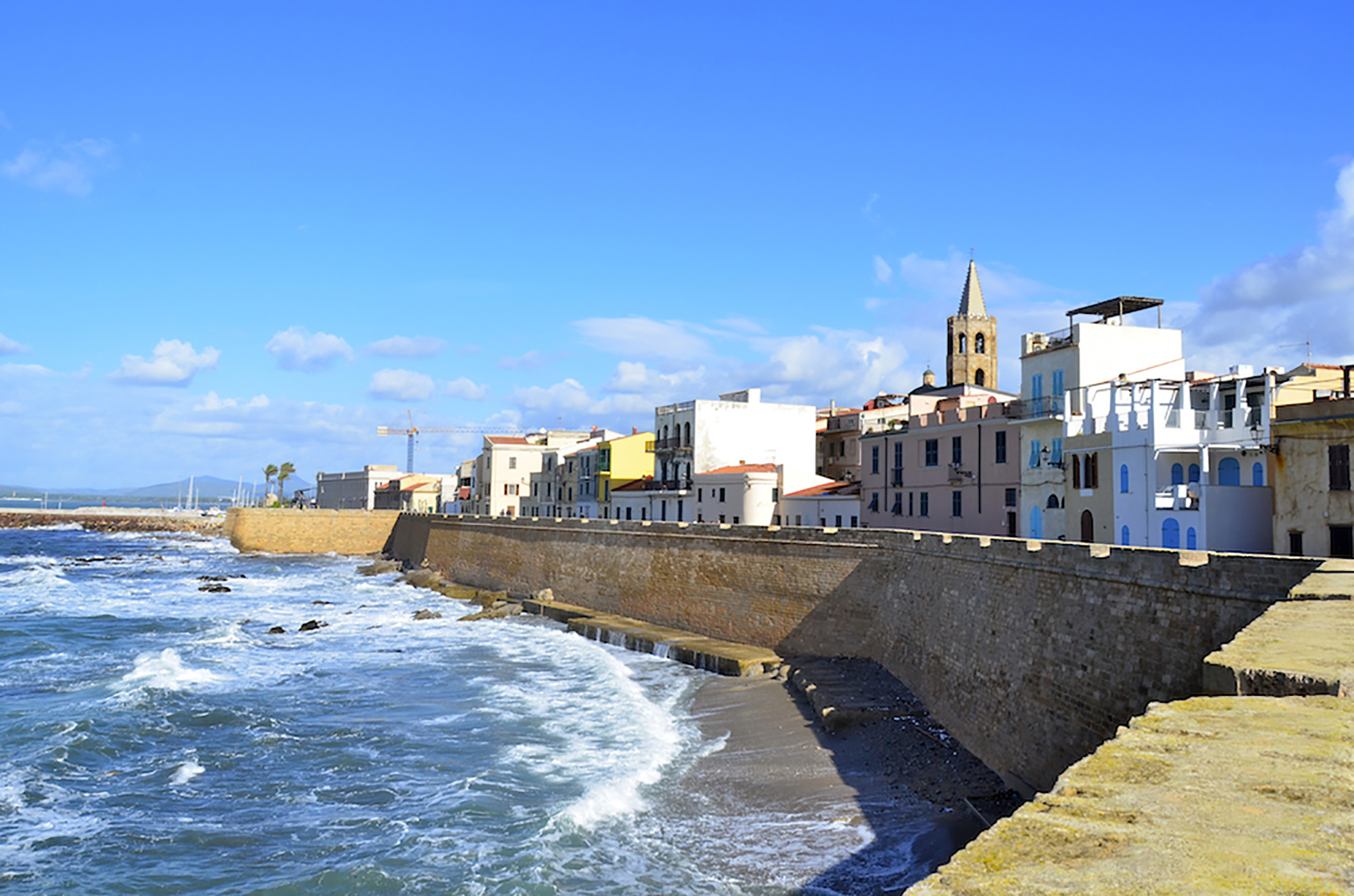
The Catalan language and culture have been in contact with Sardinian culture for a long time, and certainly, Catalan has had a remarkable influence on Sardu. Due to its strategic position, Alghero was attacked numerous times and then conquered by the Catalan-Aragonese in 1354 with Peter IV of Aragon, who renamed the city L'Alguer. Since then, in the Sardinian Barceloneta, an ancient Catalan is spoken, and this peculiarity makes the city still considered a sort of island within the island. Gallurese is a Sardinian-Corsican linguistic variety spoken in the historical region of Gallura in northeastern Sardinia. That area, not very productive for the Catalans, was repopulated by Corsicans. The Sardinian language of the surrounding territories influenced the Corsican dialect, which, also influenced by Catalan and Spanish, later became the Gallurese variety. Sassarese, on the other hand, derives from a Tuscan-Corsican base that evolved autonomously, while Tabarchino is a Ligurian dialect spoken by Ligurian colonists from the island of Tabarca (between Tunis and Algiers) who later moved to the islands of the Sulcis archipelago in southwestern Sardinia.
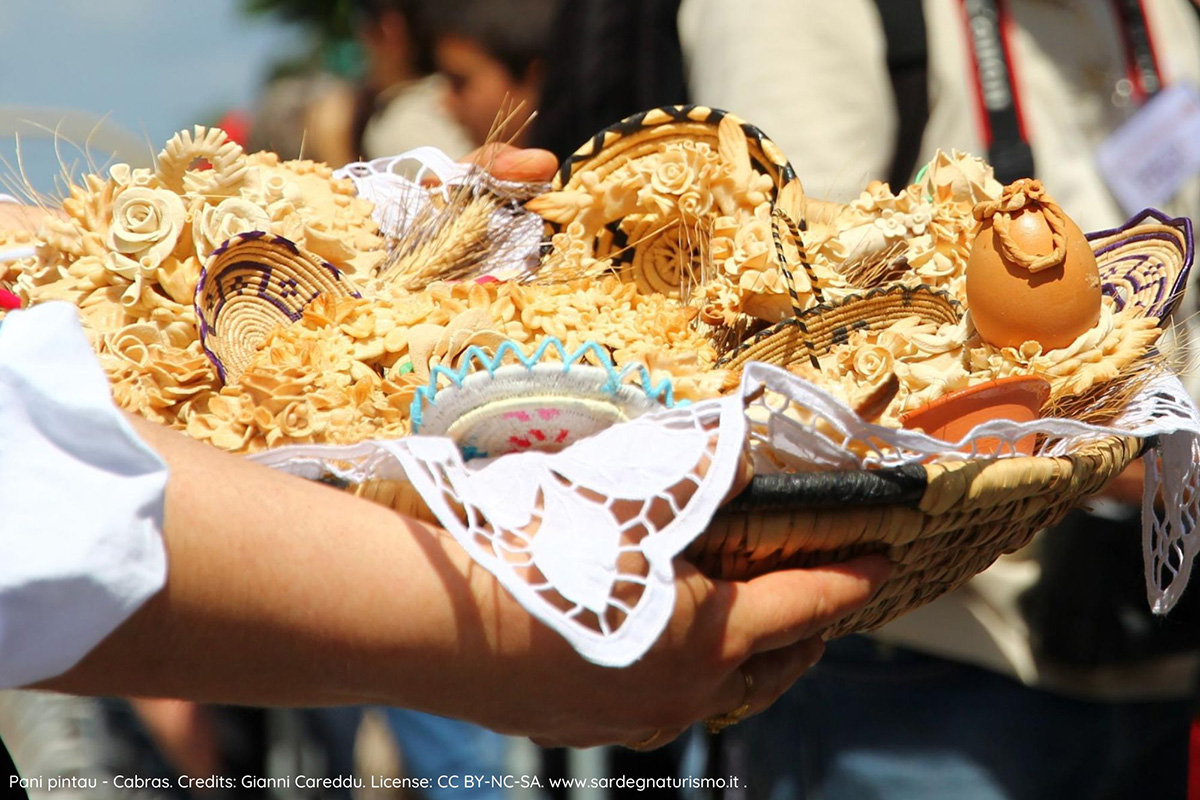
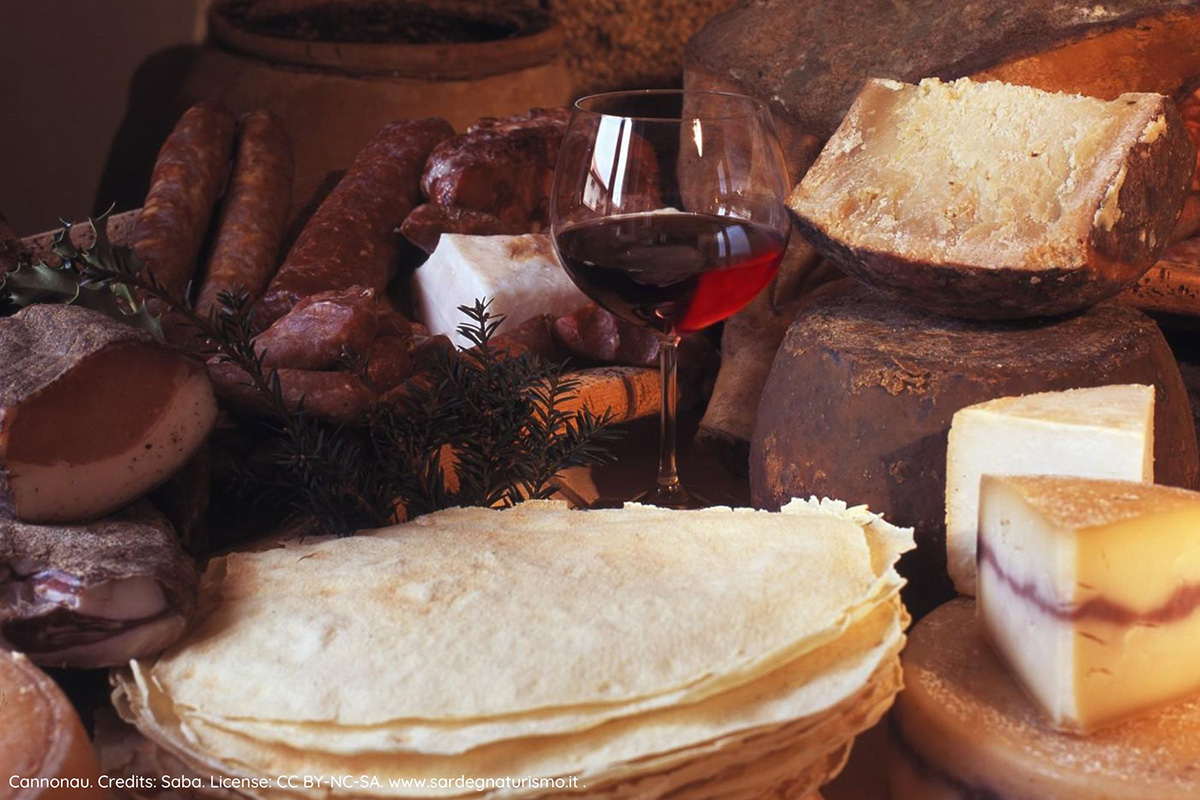
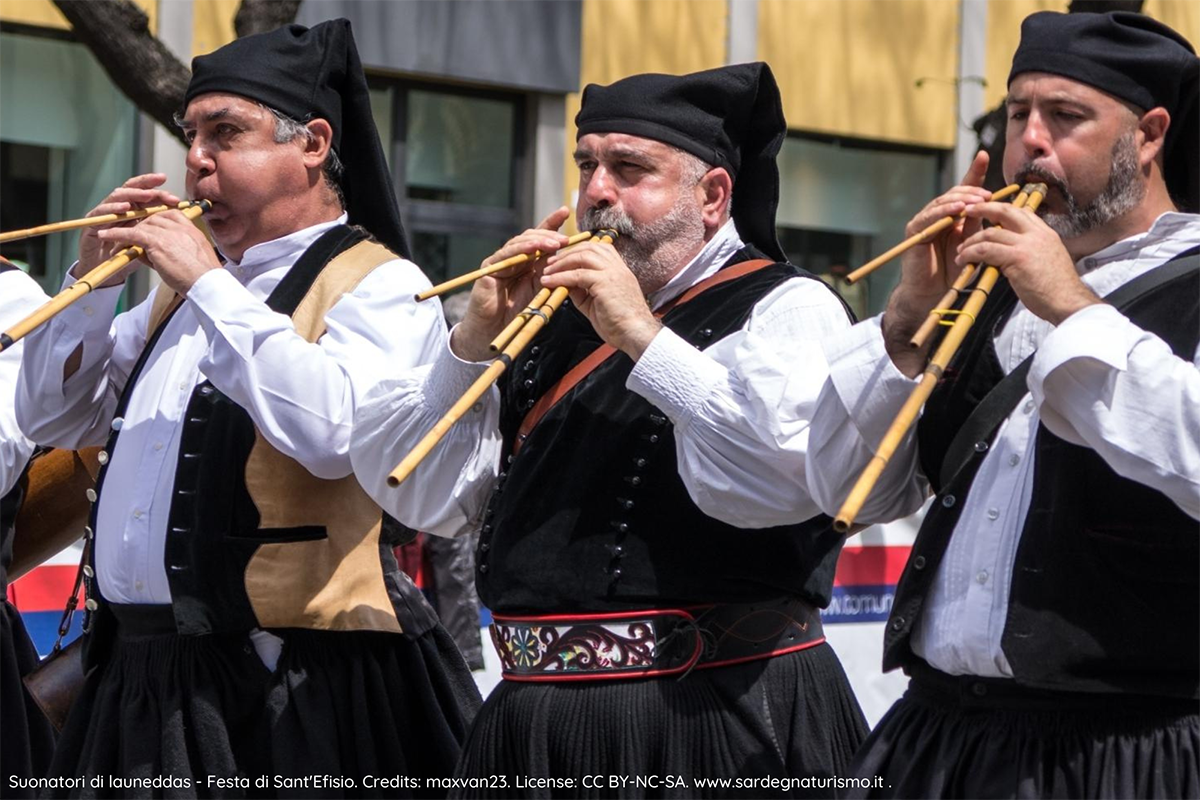
Travelling through the island, the layout of the anthropic space we can observe derives from a wise use of the territory. The villages were placed at the centre of a system of paths strategically positioned near water sources. The system took a more structured form in the pardu, a belt of small private land immediately adjacent to the inhabited areas. A dense network of paths and dry stone walls ensured access to individual farms and continued into the countryside to then connect to open lands (su comunali) divided between arable land, pastures, and forests (padentis) that provided acorns and timber. Therefore, everything that has influenced the island's fauna and flora has also influenced the human settlements that are fragmented and isolated. The relative isolation of the communities has led each to find different solutions to their needs and has contributed to forming a vast cultural heritage. In Sardinia, more than 220 plants are known for food purposes and many more for medicinal, veterinary, artisanal, dyeing, or ritual and religious purposes. Many agricultural tools were invented starting from the use of plant parts, as well as musical instruments (launeddas). Sardinian cuisine incorporates many ingredients from numerous local varieties of wild plants and berries and includes many authentic recipes such as culurgiones, gnocchetti sardi, and zuppa gallurese. Among other endemic Sardinian gastronomic elements are pecorino sardo, a well-known variety of cheese made from the milk of the local Sardinian sheep breed, as well as mirto, a popular liqueur obtained from the alcoholic maceration of myrtle berries.
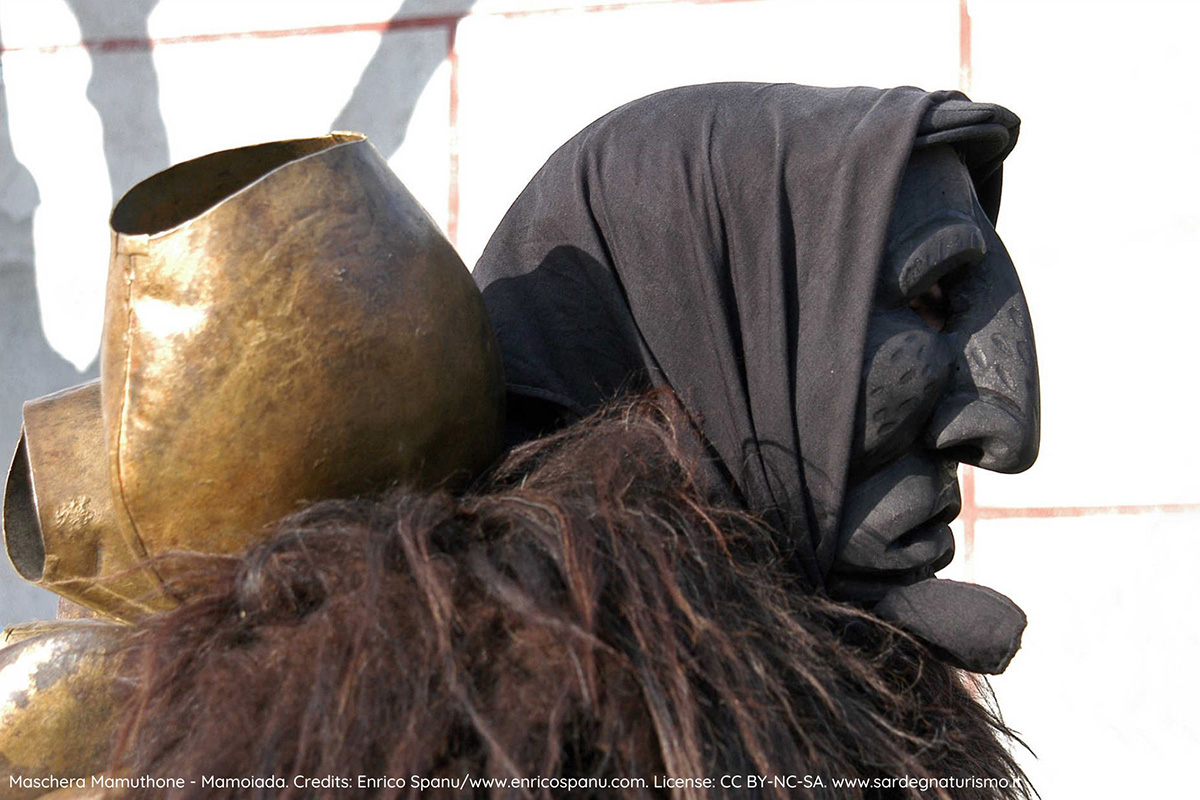
But there are two cultural aspects we want to mention that fascinate everyone, including Sardinians themselves: the masks of the Sardinian Carnival and traditional clothing.
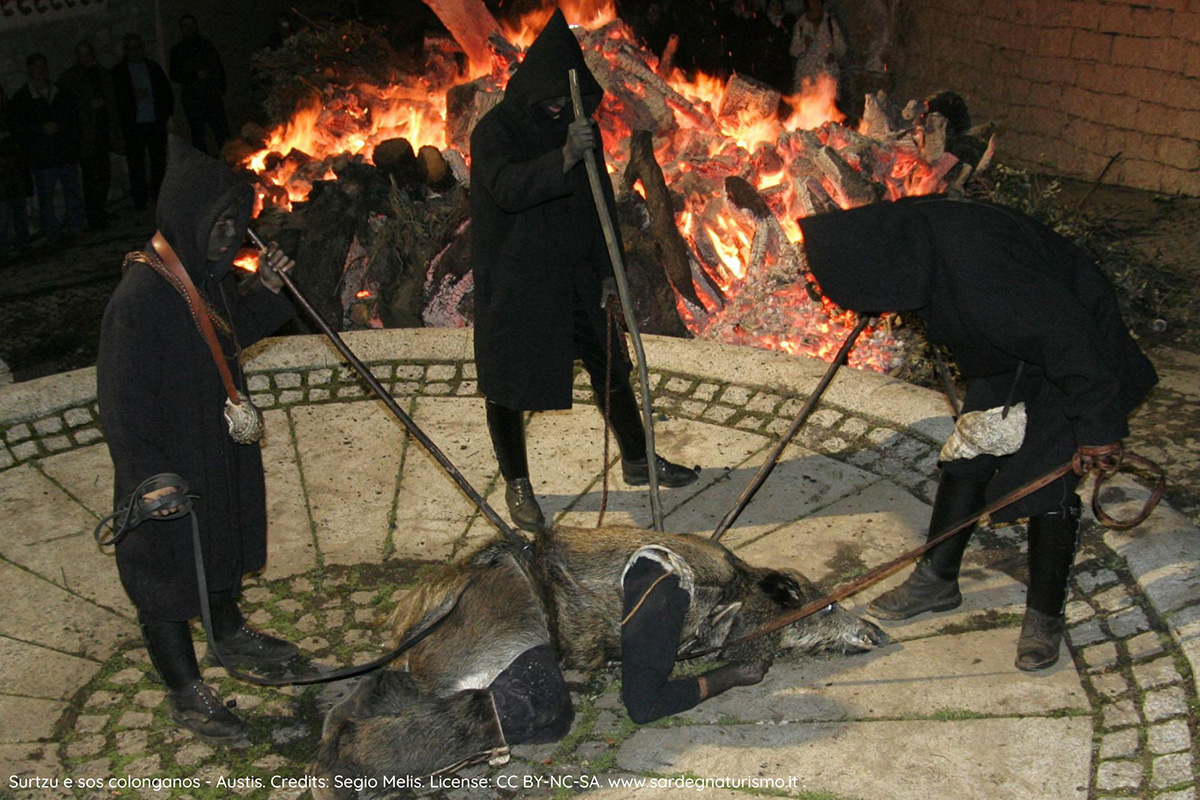
Carnival in Sardinia retains conservative elements of archaic origin that evoke pre-Christian rites and beliefs. In the past, within the agro-pastoral society, end-of-winter festivities were held with the lighting of large bonfires, and bloody rituals that evoked pagan Dionysian rites characterized by the use of animal masks with demonic features. Over time, the pagan celebrations propitiating fertility were converted into Christian festivals. Today, the atmosphere of the ancient pagan meaning remains, especially in the costumes and scenographic rituals rich in symbolism.
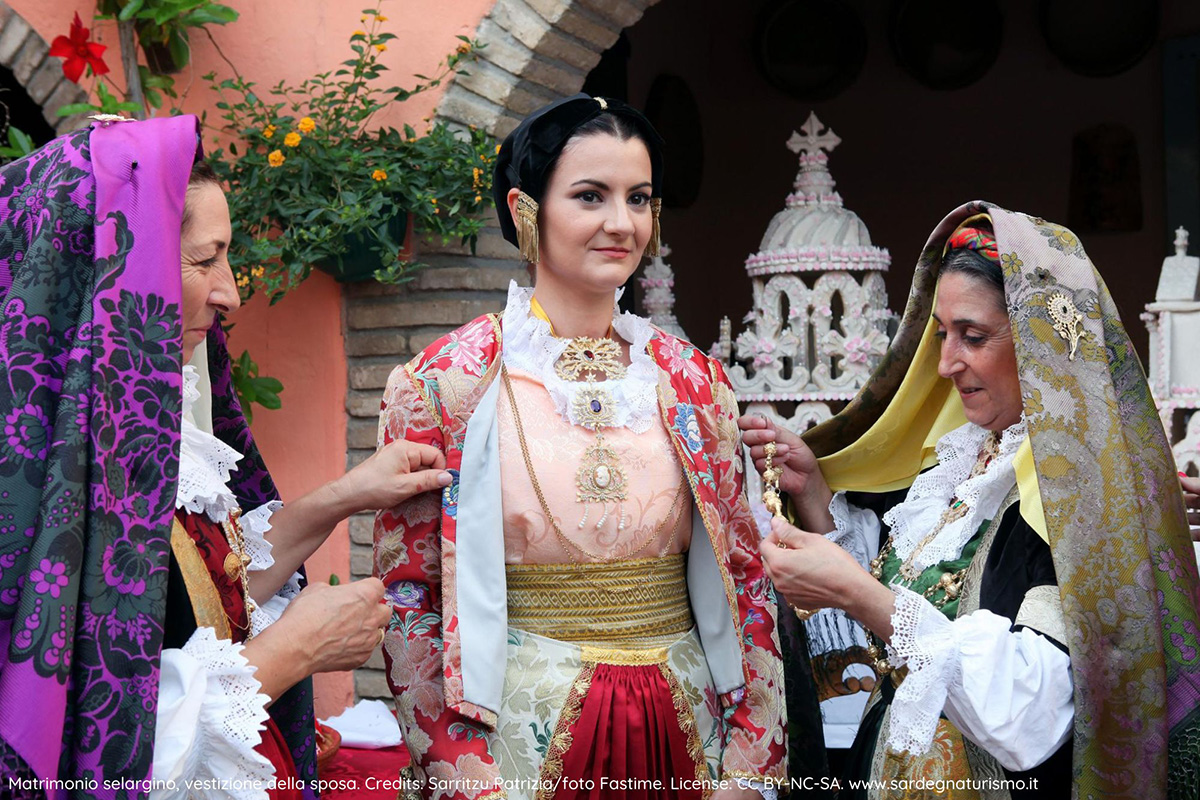
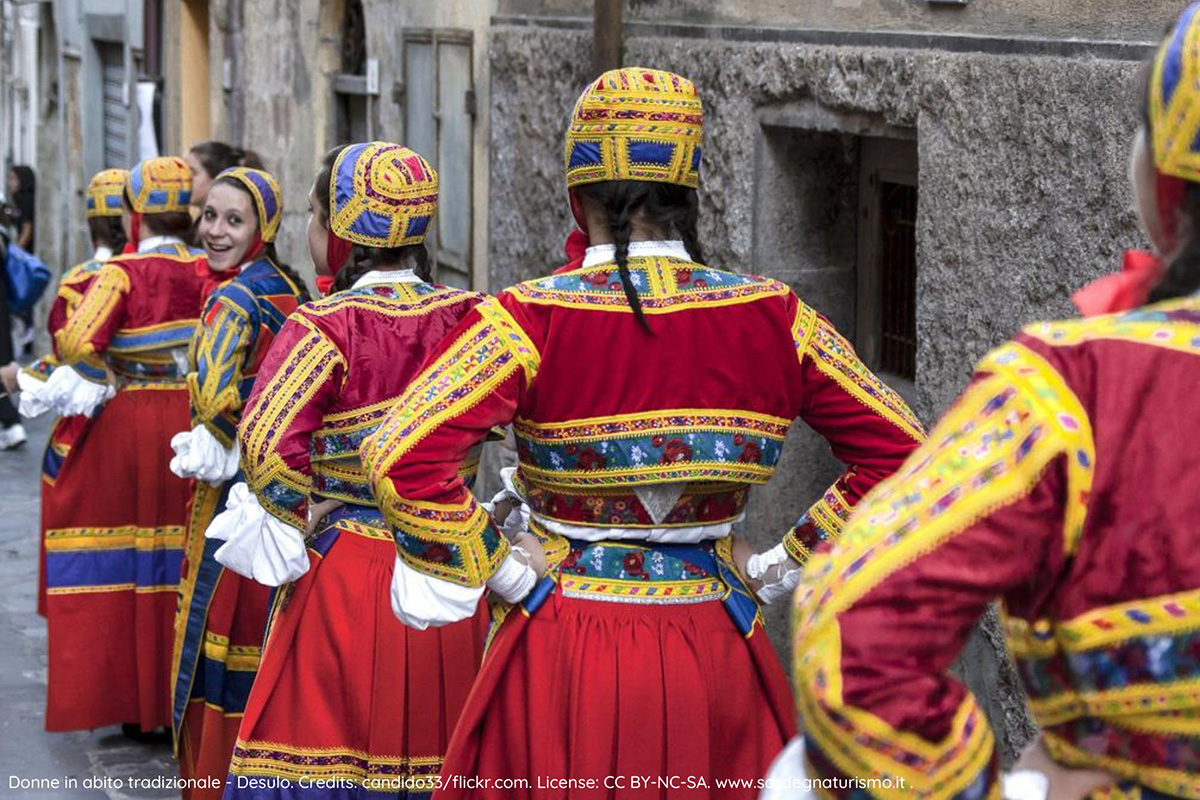
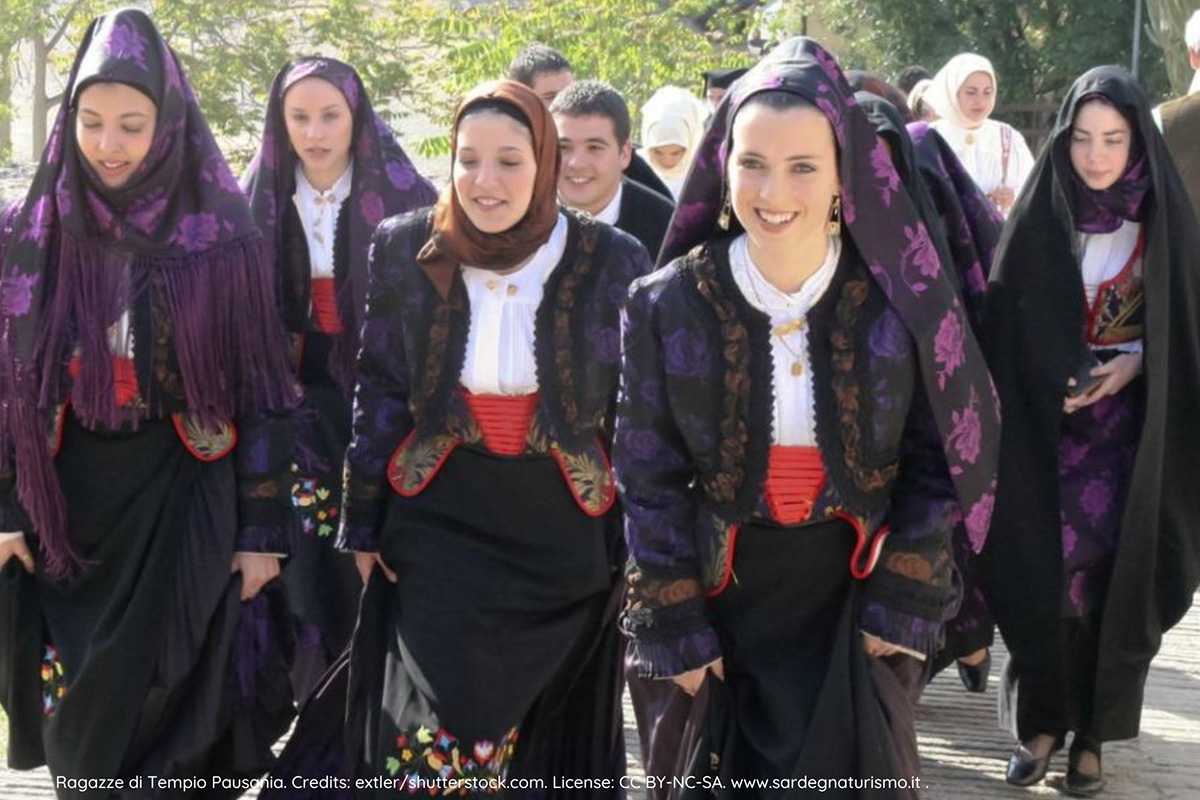
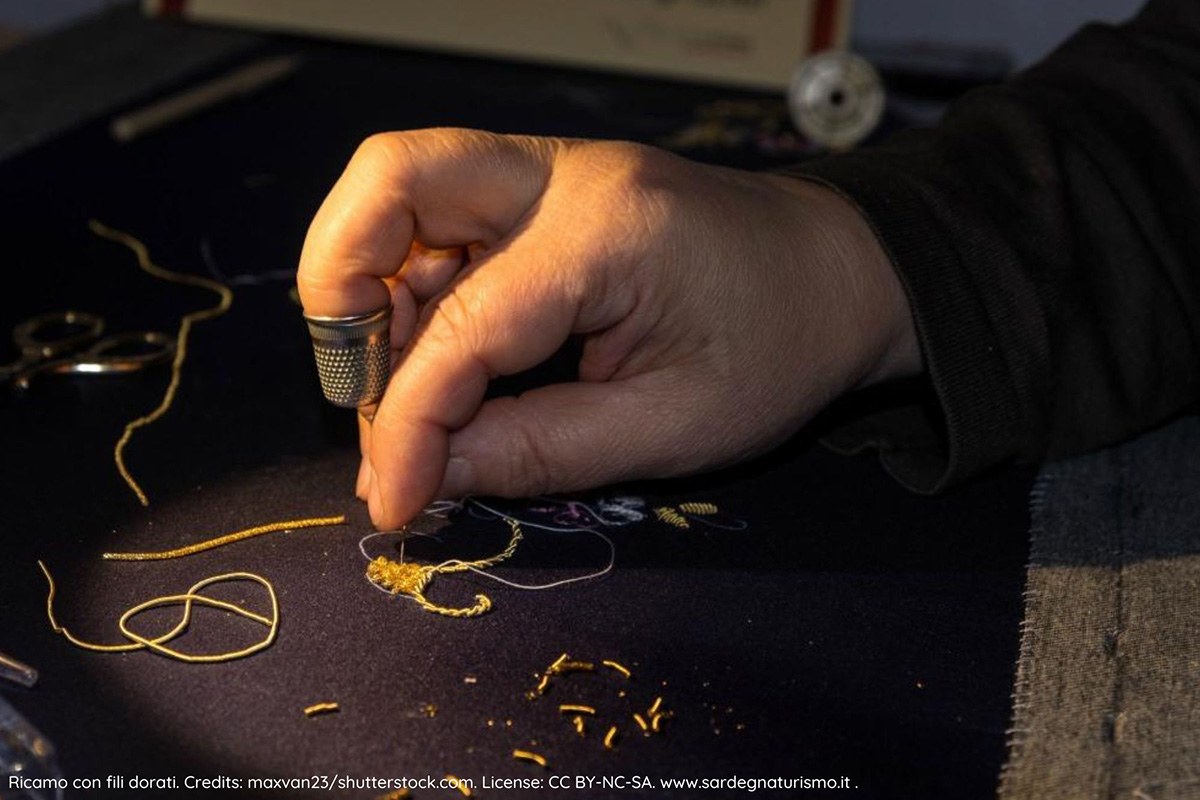
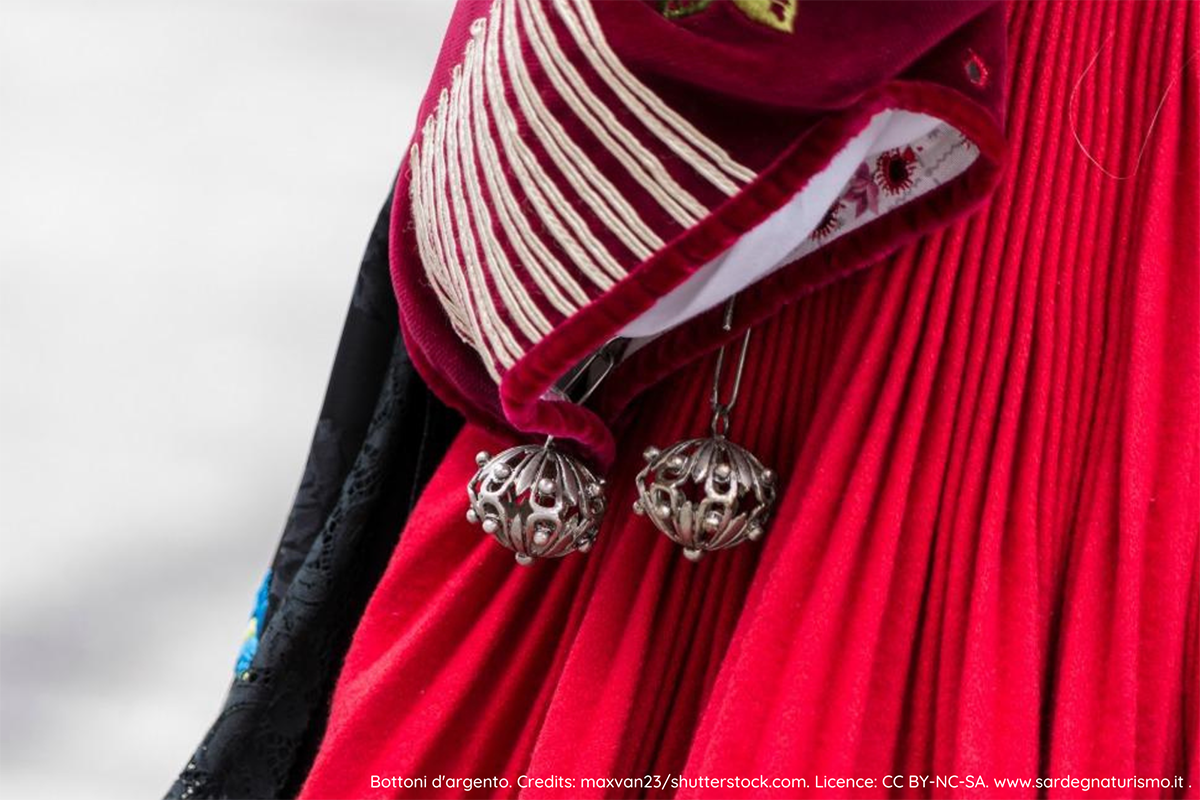
Traditional clothing in Sardinia still occupies a strong identity element, like a village flag. Antonio Bresciani, in his book "Dei Costumi dell'Isola di Sardegna" from 1850, wrote:
"The women […] in Sardinia do not leave their ways for anything in the world. And although the villages of Selargius, Pauli, Pirri, Sestu, and Maracalagonis are so close to each other that some hear the bells of the surrounding parishes, yet each village differs from the other in such a way that at first glance one can say: that is a woman of Quartu, that one of Sestu, Pauli, or Sinai: this does not surprise anyone who knows the country, especially in the more internal places of the island."
Currently, traditional clothing no longer fulfills the practical functions it once did: warming the body in the harshest seasons, marking civil and social identity, indicating the state of mind (joy in the bright colors and mourning, mainly expressed by black). Today, traditional clothing is worn only on special occasions, such as processions, festivals, and tourist events. It responds, yes, to the need to identify and proudly carry the village or town flag, but it is mainly linked to the function of defining a single ethnic identity, that of Sardinia, despite the varied multiplicity of its local affiliations.

If you want further information, write to naturalghero@mareterragroup.net